
About Wyzasuy
Budget review done differently
Wyzasuy builds structured learning paths that make the budget review process accessible to finance professionals and team managers across every time zone.
See our courses


What this platform is actually for
Most budget training stops at theory. Wyzasuy starts where the real work begins.
The platform was built around one observation: finance teams often know the mechanics of budgeting but struggle when a mid-year review produces numbers that contradict the original plan. "The gap between knowing a framework and applying it under pressure" is the problem each course is designed to close. Modules follow real review cycles — quarterly variance checks, rolling forecast adjustments, and board-level reporting sequences.

Remote access means the course fits around existing work schedules, not the other way around.
Every lesson is self-paced and structured so a learner in Dublin or Nairobi works through the same sequence with the same depth. Assessment tasks use real budget documents — anonymised extracts from public sector and SME contexts — so the feedback a learner receives relates directly to decisions they will face at work.
The people who built the curriculum
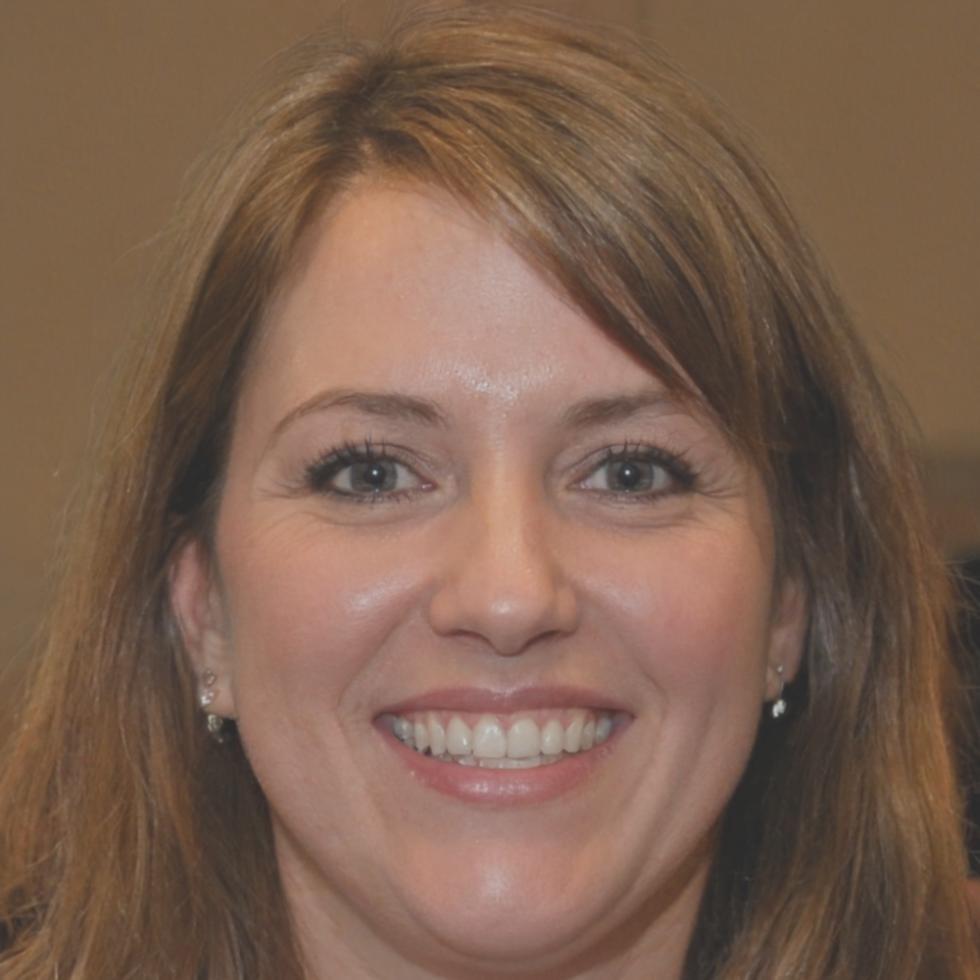
Aoife spent eleven years as a public sector budget analyst before joining Wyzasuy. She designed the variance analysis sequence and the board-reporting module, drawing on cases from her own review cycles.

Brigid holds a background in adult learning design and spent six years working with multinational finance teams in Warsaw and Amsterdam. She leads the assessment framework and learner feedback structure.
Tomasz manages the technical delivery of every course, ensuring that modules load consistently across low-bandwidth connections. He also coordinates localisation checks for learners outside the EU.
How learners progress through the material

Progress data is reviewed after each cohort cycle. Where completion rates drop below a threshold, the relevant lesson is revised — not the learner's target. "The numbers tell us where the explanation failed, not where the learner did." That approach has shaped three major rewrites of the rolling forecast module since the platform launched.
Each course follows a fixed sequence: concept introduction, worked example using a real document extract, and a structured task. There are no timed exams — assessment is based on submitted work reviewed against a transparent rubric.
All modules are available on demand. A learner who needs to pause for two weeks and resume does not lose progress or context. The platform records position at the lesson level, not the course level.
Course content references IPSAS and IFRS budget reporting conventions where applicable. This means a learner working in a public body and one working in a private firm encounter the same underlying logic presented in the right context for their sector.